When to Find Temporary Housing After Home Damage in Grande Prairie
Quick answer
You should look for temporary housing as soon as your home is unsafe, unhealthy or unlivable, or as soon as repairs are expected to take more than a few days. You do not need to wait for your insurance claim to be approved or for a contractor to start work. In Grande Prairie, losing heat, water or power in winter is reason enough to leave.
Most families spend the first night or two with relatives or in a hotel. If you will be out for more than a week, a furnished, all-inclusive rental is usually more comfortable and easier to manage than a hotel, and many Canadian home insurance policies include coverage for it under additional living expenses.
This guide covers:
- How to tell if it is safe to stay in your home
- How long you can expect to be out after a fire, flood or mould problem
- What home insurance typically covers for temporary housing
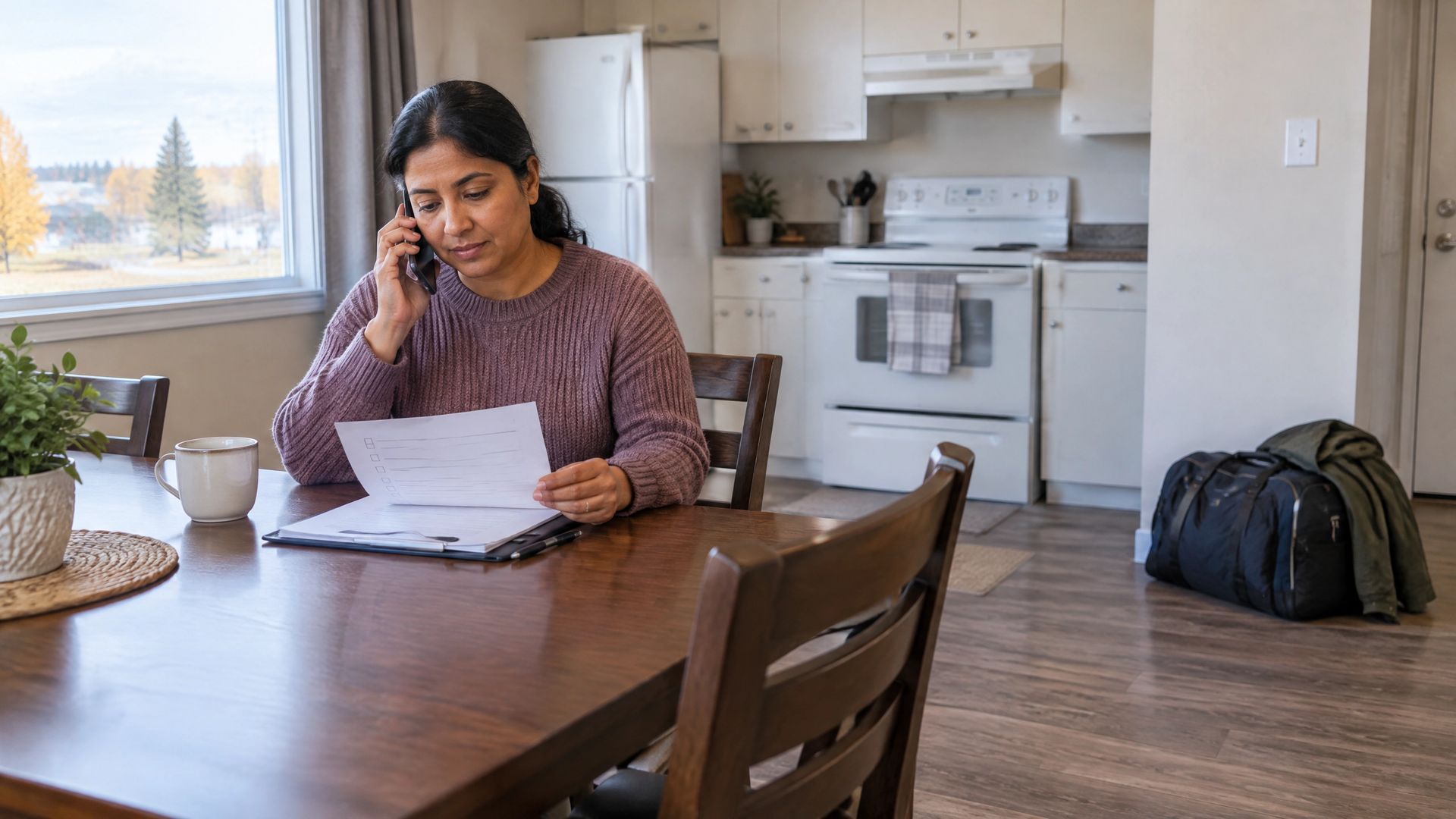
- A step-by-step checklist for the first 72 hours
- How a hotel, family stay and furnished rental compare
- What to look for when choosing a temporary rental in Grande Prairie
Is it safe to stay in my home after damage?
It is not safe to stay if any of the signs below apply. One sign is enough to start planning a temporary stay.
Safety and health signs
- No reliable heat, power or running water. In a Grande Prairie winter, a home without heat can become dangerous within hours, and frozen pipes can cause more damage.
- Smoke damage or a lingering smoke smell. Soot and smoke residue can irritate lungs, especially for children and older adults.
- Standing water, wet drywall or wet flooring. Water damage can lead to mould growth quickly if materials are not dried out.
- Visible mould or a musty smell that will not go away.
- Sagging ceilings, soft floors, cracked walls or any structural concern.
- Electrical issues, such as tripped breakers that will not reset or water near outlets and panels.
Practical signs
- Restoration crews need the whole space cleared to dry out, clean or rebuild.
- The kitchen or only bathroom is out of service.
- Someone in your household has asthma, allergies, a weakened immune system, a newborn or mobility needs.
- Repairs are expected to take more than a few days.
- The fire department, a restoration company or your insurance adjuster has told you to leave.
Not sure? Ask your restoration contractor or insurance adjuster directly: "Is it safe for my family to live here during repairs?" If the answer is anything other than a clear yes, plan to move out.
How long will I be out of my home?
Repair times depend on the cause, how much of the home is affected, insurance approvals and contractor availability. The ranges below are general estimates to help you plan. Your restoration company can give you a timeline for your situation.
- Small water leak or burst pipe (one room): a few days to 2 weeks. Best option: family, hotel or a short furnished stay.
- Major flood or sewer backup: several weeks to a few months. Best option: furnished rental.
- Mould remediation: 1 to 4 weeks, longer if widespread. Best option: furnished rental, especially for anyone with breathing issues.
- Partial fire or smoke damage: several weeks to a few months. Best option: furnished rental.
- Major fire or structural damage: several months or more. Best option: furnished rental, often with a lease extension option.
- Storm or roof damage: a few weeks to a few months. Best option: furnished rental.
A simple rule: if you expect to be out for more than a week, start looking for a furnished rental right away. Hotels work for a night or two, but cramped rooms, no kitchen and nightly rates add up quickly over a longer stay.
Will home insurance pay for temporary housing?
Often, yes. Most Canadian home insurance policies include additional living expenses (ALE) coverage, sometimes listed as "loss of use." ALE helps pay for the extra cost of living somewhere else while your home is being repaired after an insured loss.
What ALE may cover
- Temporary housing, such as a hotel or furnished rental
- The difference between your normal costs and your higher costs while displaced, such as extra food or mileage
- Pet boarding, laundry or storage in some policies
What affects your coverage
- The cause of the damage. ALE usually only applies if the damage itself is covered. For example, overland flooding or sewer backup may need a separate endorsement.
- Your coverage limit. Many policies cap ALE at a dollar amount or a percentage of your dwelling coverage.
- Time limits. Some policies limit how long ALE lasts.
- Reasonable cost. Insurers usually cover housing comparable to your normal standard of living, not an upgrade.
Questions to ask your insurer before you book
- Does my policy include additional living expenses for this type of damage?
- What is my limit, and is there a time limit?
- Do you pay the rental provider directly, or do I pay and get reimbursed?
- What receipts or documents do you need?
- Do you need to approve the rental before I book it?
Fresh Coast Rentals is not an insurance provider and cannot confirm your coverage. Always check the details of your policy with your insurer or broker.
What to do in the first 72 hours after home damage
Follow these steps in order. They protect your family first, then your insurance claim.
- Get everyone to safety. Make sure all people and pets are out of harm's way. Call 911 if there is fire, gas or an immediate danger.
- Stop further damage if it is safe. Shut off water at the main valve or turn off power at the panel only if you can do so safely.
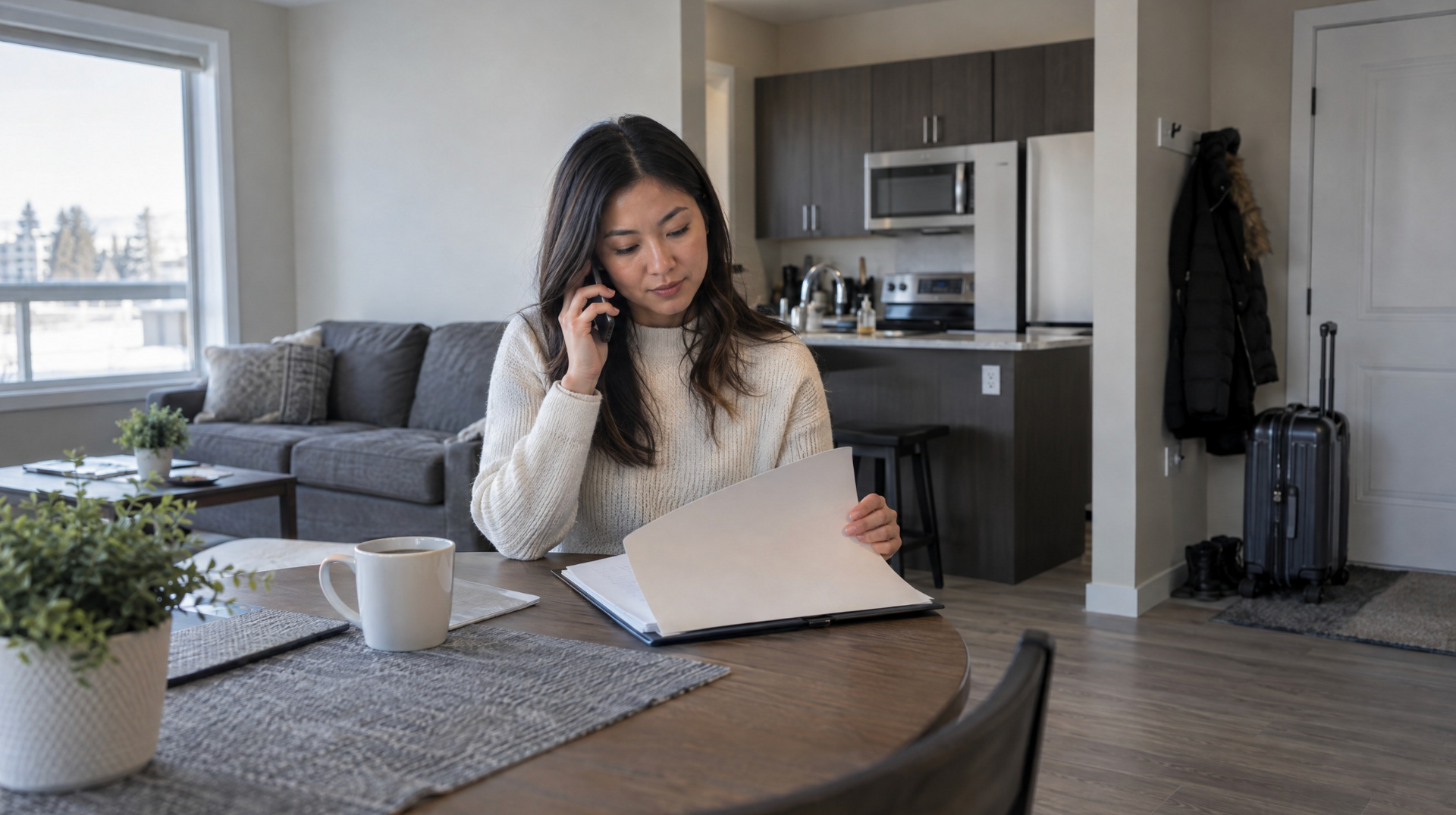
- Call your insurer or broker. Report the damage as soon as possible and ask about additional living expenses coverage.
- Document everything. Take photos and videos of every affected room before anything is moved or cleaned.
- Keep every receipt. Hotel stays, meals, gas, supplies and emergency purchases may be reimbursable.
- Get a repair timeline. Ask your restoration company for an estimate of how long you will be out of the home.
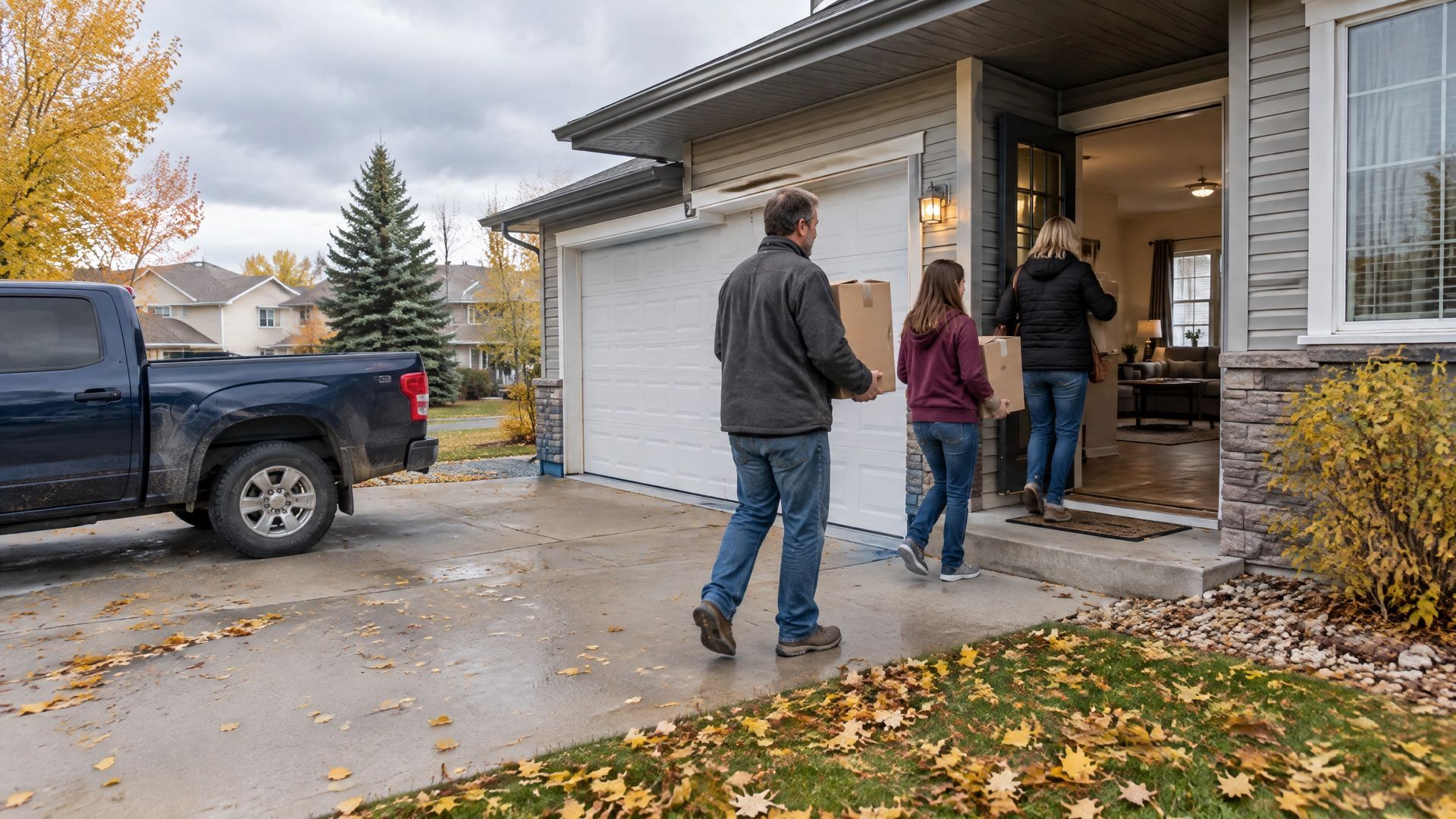
- Pack for the stay. Bring clothing, medications, important documents, chargers, school and work items, and pet supplies.
- Book your temporary home. Match the space to your household size and expected length of stay. Share the booking details with your insurer.
Hotel vs. furnished rental vs. staying with family
For stays longer than a week, a furnished rental usually gives families the most space and the most normal routine.
- Hotel: best for 1 to 3 nights. Kitchen is rare or a small kitchenette. One or two rooms. Laundry is paid or off-site. Pets are often restricted. Costs are nightly charges plus meals out, and kids' routines are disrupted.
- Staying with family: best for a few nights to a week. Shared kitchen and laundry, limited shared space, pets depend on the host. Costs are hard to document, and routines are somewhat disrupted.
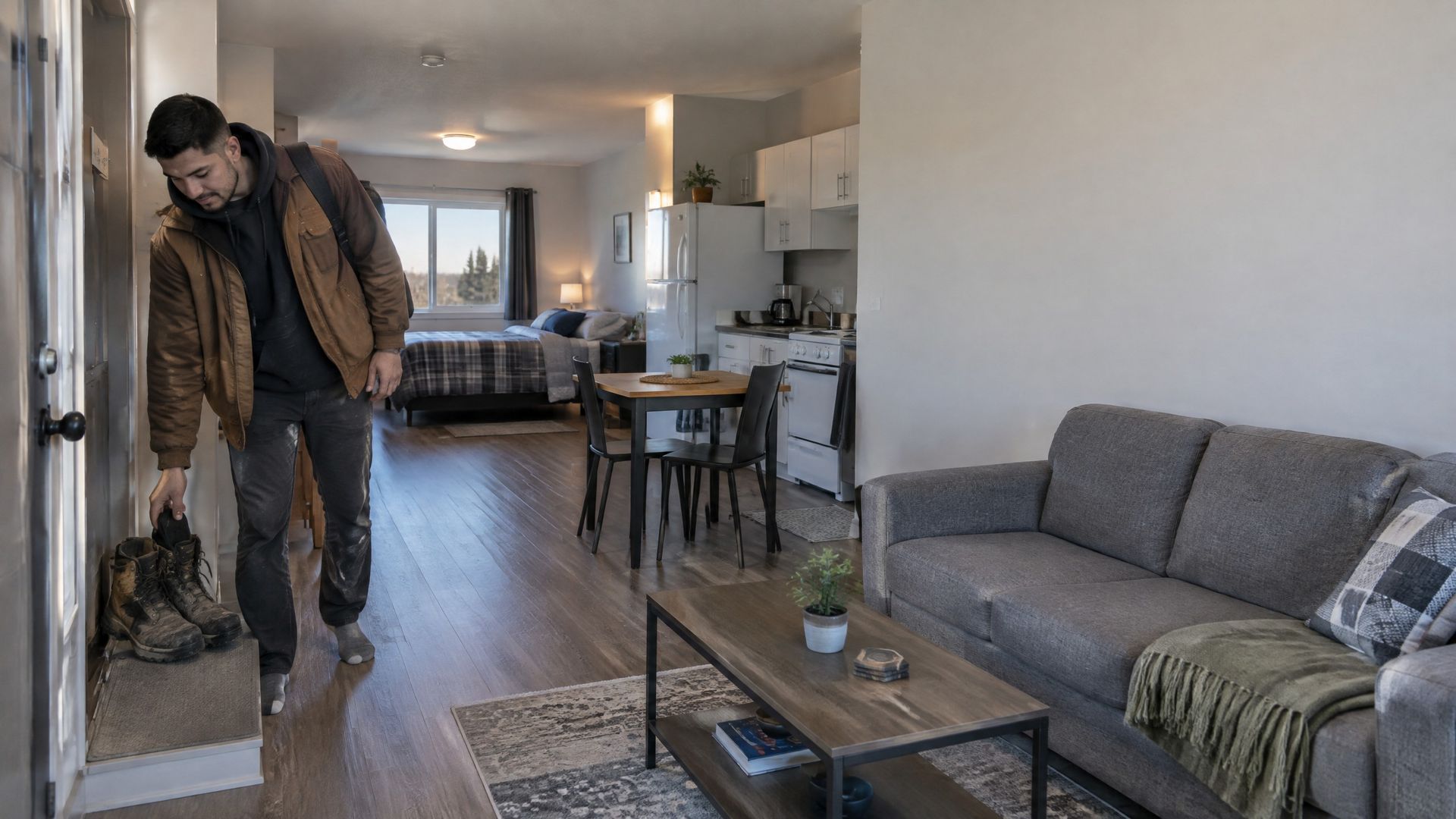
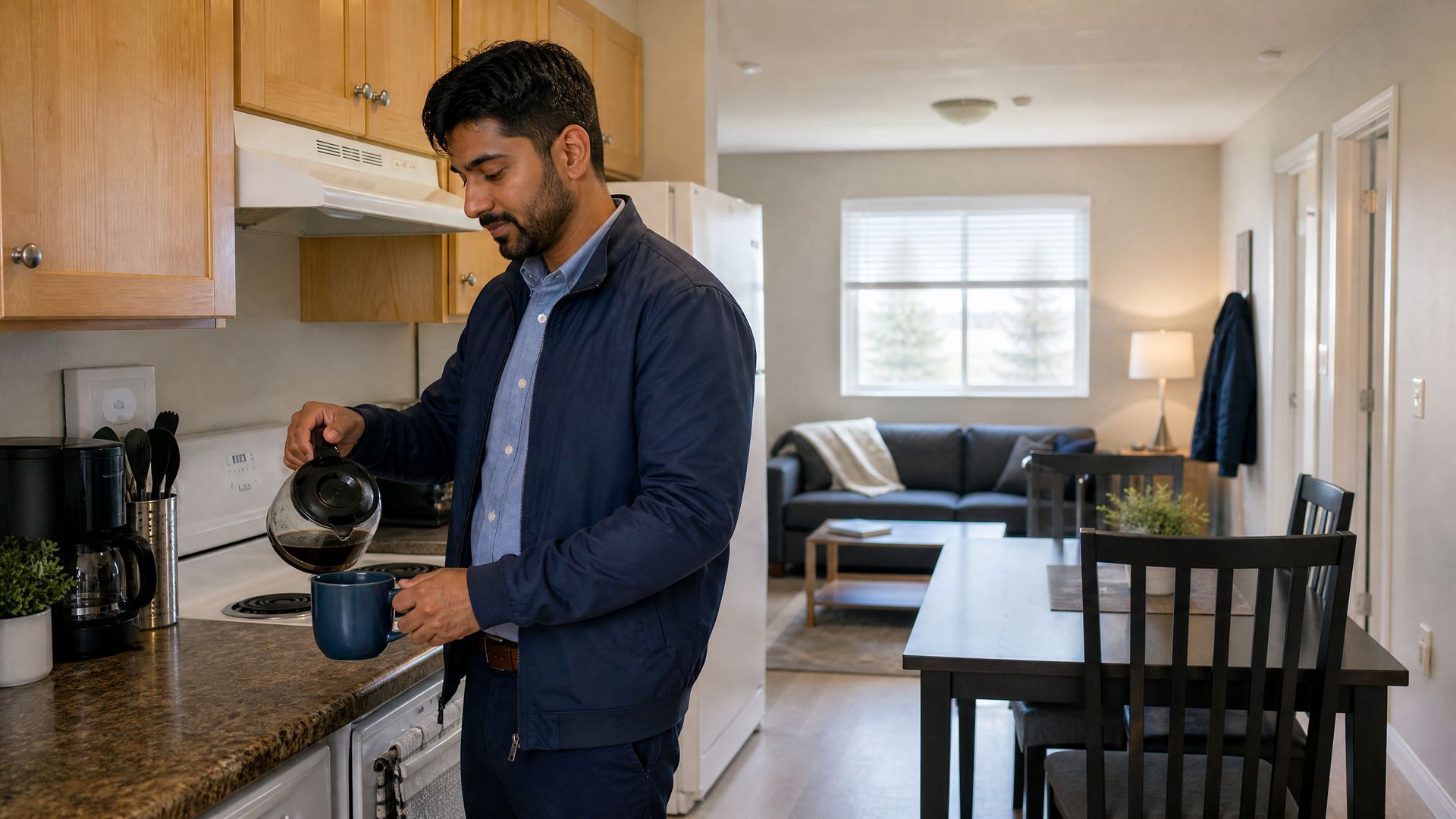
- Furnished rental: best for 1 week to several months. Full kitchen, a full home or suite, usually in-suite laundry. Ask about pet policies. One predictable rental cost for insurance, and the closest thing to a normal routine for kids.
Cooking at home also lowers your daily spending, which helps your additional living expenses coverage go further.
How to choose a temporary rental in Grande Prairie
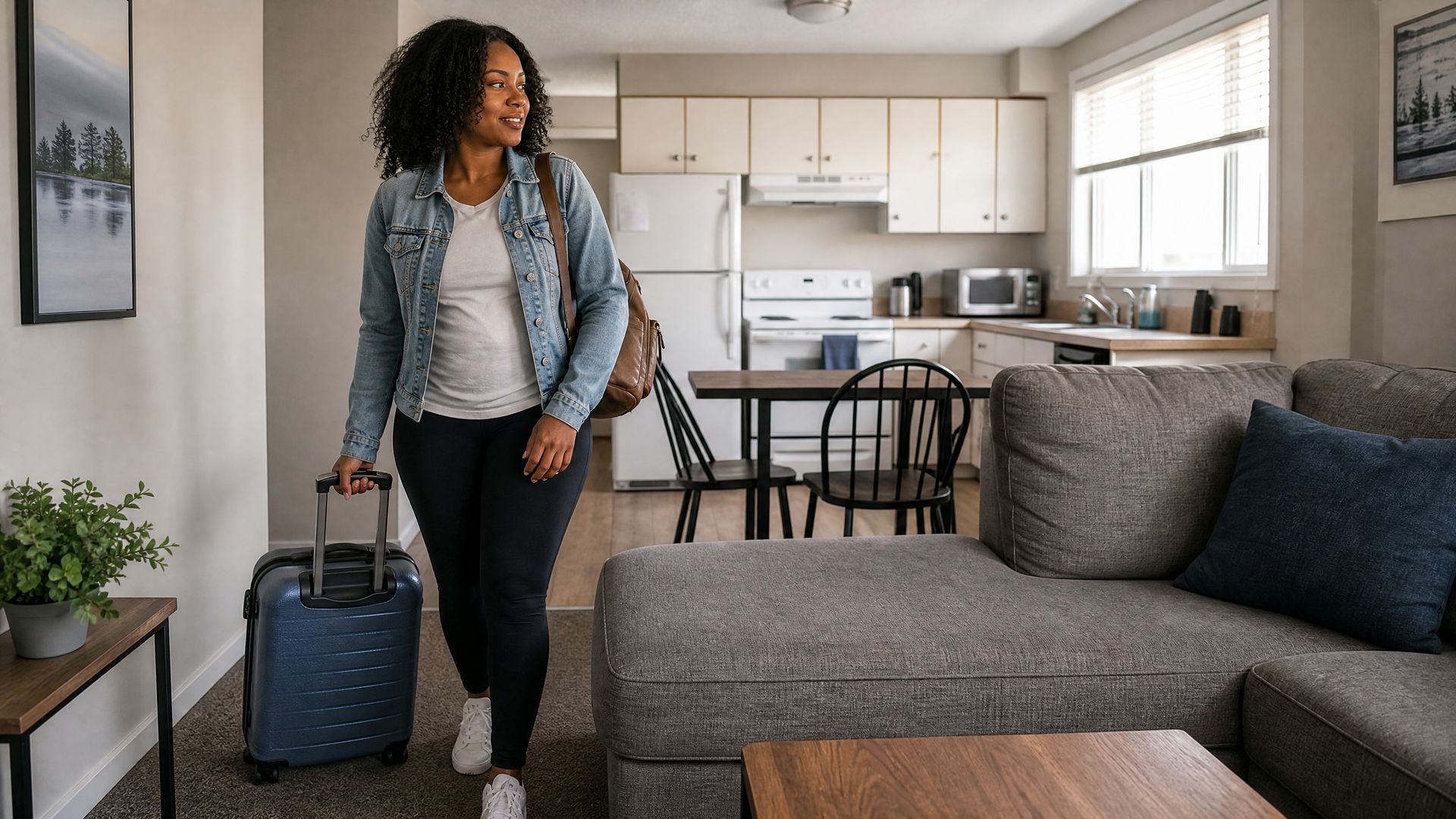
The right temporary home lets you walk in with a suitcase and get back to normal life. Look for these features:
- Fully furnished. Beds, linens, dishes, cookware and living room furniture should already be there.
- Utilities included. Heat, power, water and internet in one payment means no new accounts to set up.
- Flexible length of stay. Repairs often run longer than expected, so ask whether you can extend.
- Enough bedrooms. Plan for everyone to sleep comfortably, including teens who need their own space.
- Close to your home, work and schools. Staying in Grande Prairie makes it easier to check on repairs and keep kids in their schools.
- Winter-ready. Look for reliable heat and parking, ideally with a plug-in or garage for colder months.
- Clear paperwork. A written agreement and itemized invoices make insurance claims easier.
Questions to ask a rental provider
- What exactly is included in the price?
- Can you invoice my insurance company directly?
- Is the stay flexible if my repairs take longer?
- Are pets allowed, and are there any fees?
- How soon can I move in?
How Fresh Coast Rentals helps displaced families in Grande Prairie
Fresh Coast Rentals provides fully furnished, all-inclusive rentals in Grande Prairie, Alberta, for people who need a home on short notice, including families displaced by fire, flood, mould or storm damage.
- Move in with just your suitcase. Every home is furnished and ready to live in.
- One all-inclusive cost. Utilities are included, so there are no bills to set up or track during your claim.
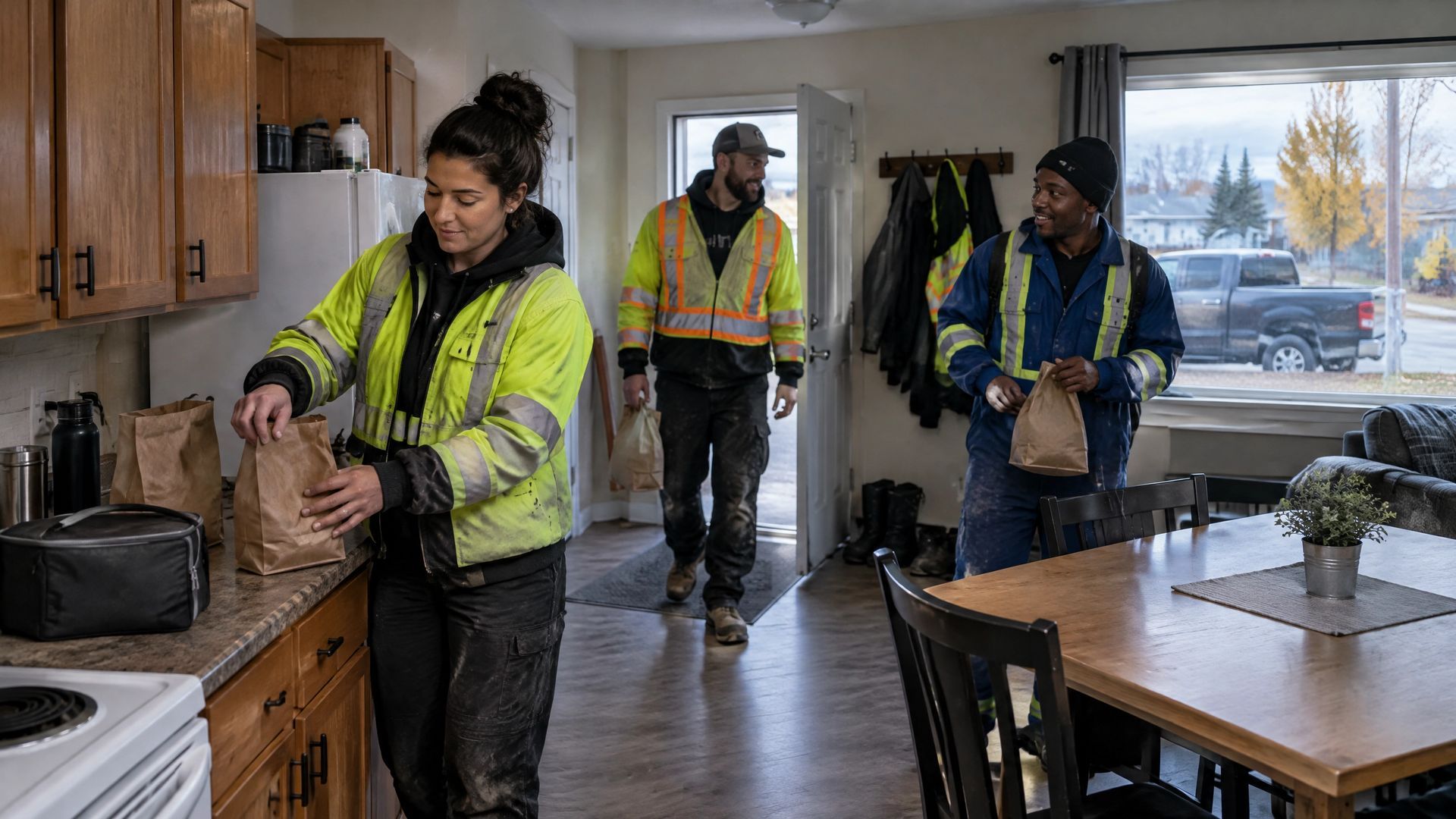
- Room to live, not just sleep. Full kitchens and living space make daily life easier for families, kids and pets (ask about our pet policy).
- Simple paperwork. One predictable rental cost is easy to share with your insurer.
- Local to Grande Prairie. Stay close to your home, your work and your kids' schools while repairs are underway.
Frequently asked questions
How soon should I look for temporary housing after home damage?
Start looking as soon as you know the home is unsafe or repairs will take more than a few days. Booking early gives you more choice, especially for larger homes or pet-friendly options.
Can I stay in my house while it is being repaired?
Sometimes, if the damage is limited to one area and you still have safe heat, water, power and a working bathroom. Ask your restoration contractor whether staying is safe for your household.
Does home insurance cover temporary housing in Alberta?
Many Alberta home insurance policies include additional living expenses coverage, but it depends on your policy and the cause of the damage. Confirm your coverage, limits and booking process with your insurer before you sign a rental agreement.
What is additional living expenses (ALE) coverage?
ALE is part of many home insurance policies. It helps pay the extra costs of living elsewhere, such as rent for a temporary home, while your house is repaired after an insured loss.
Is a furnished rental better than a hotel?
For stays longer than a week, usually yes. A furnished rental gives you a full kitchen, more space, laundry and a more normal routine for kids and pets.
How long does fire or flood repair usually take?
Small water leaks can take a few days to a couple of weeks. Major fire or flood damage often takes several months. Your restoration company can give you a more specific estimate.
Can I bring my pets to a temporary rental?
It depends on the rental. Ask the provider about pet policies and fees before you book.
What should I bring to a furnished temporary rental?
Clothing, medications, important documents, phone chargers, school and work items, and pet supplies. Furniture, kitchenware and linens are already provided.
Key takeaways
- Leave your home as soon as it is unsafe, unhealthy or without heat, water or power.
- If repairs will take more than a week, a furnished rental is usually a better fit than a hotel.
- Call your insurer early and ask about additional living expenses coverage before you book.
- Document the damage and keep every receipt.
- Choose a rental that is furnished, all-inclusive, flexible and close to home.
Need a place to stay in Grande Prairie while your home is repaired?
Fresh Coast Rentals can help you find a fully furnished, all-inclusive home that fits your family and your repair timeline. Tell us how many people (and pets) need a place and how long you expect to be out.
Call: (587) 315-0273
Email: rentals@freshcoastinvestments.ca